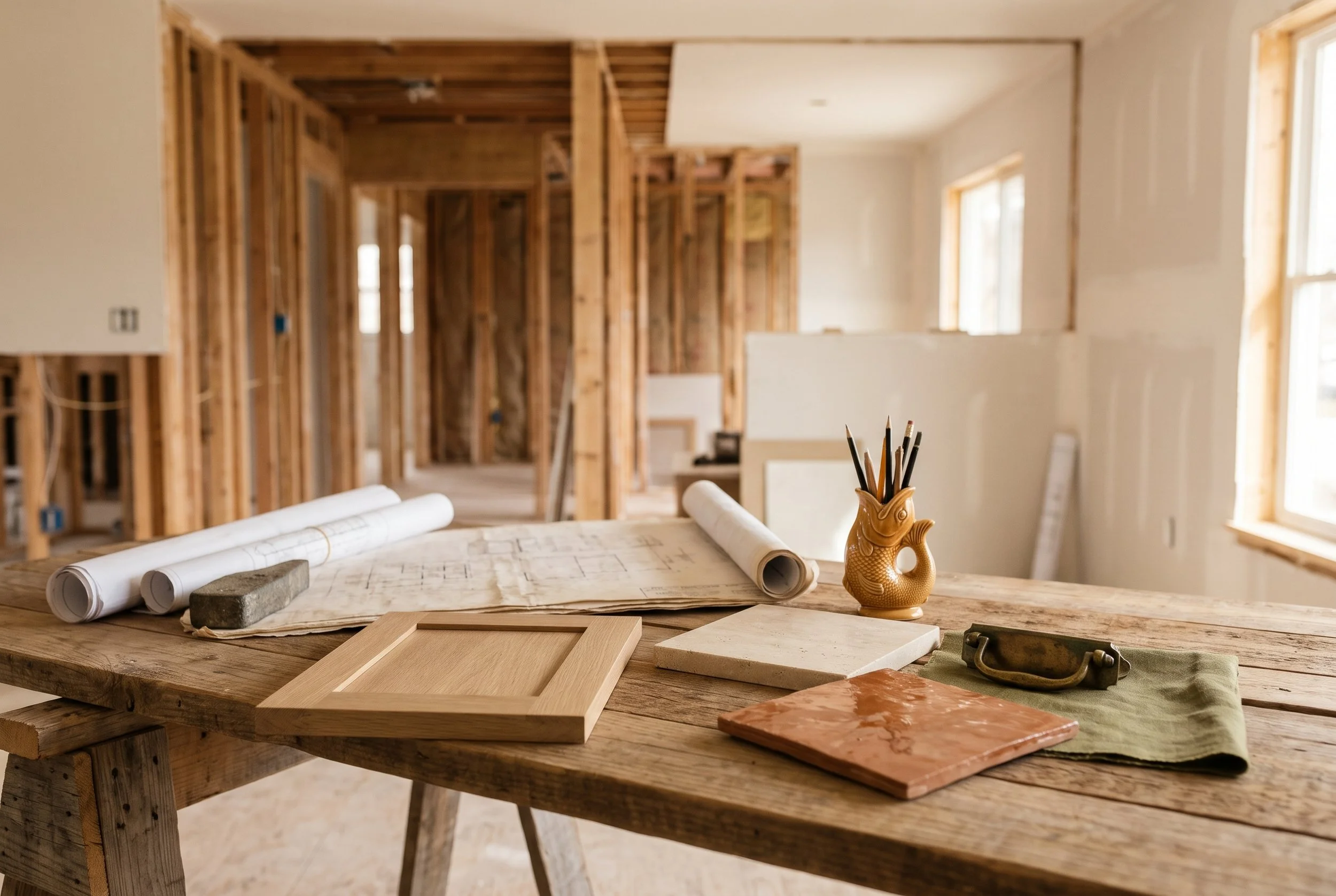
Before any remodel begins, clarity determines how well your project runs and how smoothly decisions are made. You are not only investing in your finished home. You are investing in the structure of how the work happens, who leads, who coordinates, and how information flows between design and construction.
A successful project always has management at its core. Someone leads communication, sequencing, and quality control from design intent to final installation. Sometimes that is a builder’s project manager. Often, it is the designer behind the scenes keeping everything aligned. Either way, the work of management is essential and should always be anticipated as part of the overall cost.
Here is how each question connects to the designer’s role in a well-run project.
1. Who is leading coordination
Your designer often guides the early planning, specifications, and selections long before construction begins. Confirm whether the designer continues managing those details through execution or if the builder’s team assumes daily coordination. Design-led management ensures decisions remain consistent with the original concept.
2. How changes will be documented
Design changes do not stop after drawings are complete. Your designer translates evolving site conditions and client input into updated documentation, keeping visual and functional cohesion intact. This clarity helps the contractor price, schedule, and execute with precision.
3. How communication will occur
Your designer’s communication with the builder sets tone and rhythm. Regular design check-ins, technical reviews, and on-site coordination help protect materials, layout decisions, and finish details. When communication is structured, design does not get lost in translation.
4. Who reviews plans and specifications
Designers produce the drawings and specifications that guide construction. Having your builder review these thoroughly before pricing or installation ensures all design intent is understood. Your designer should also review submittals and shop drawings to catch inconsistencies before they reach the field.
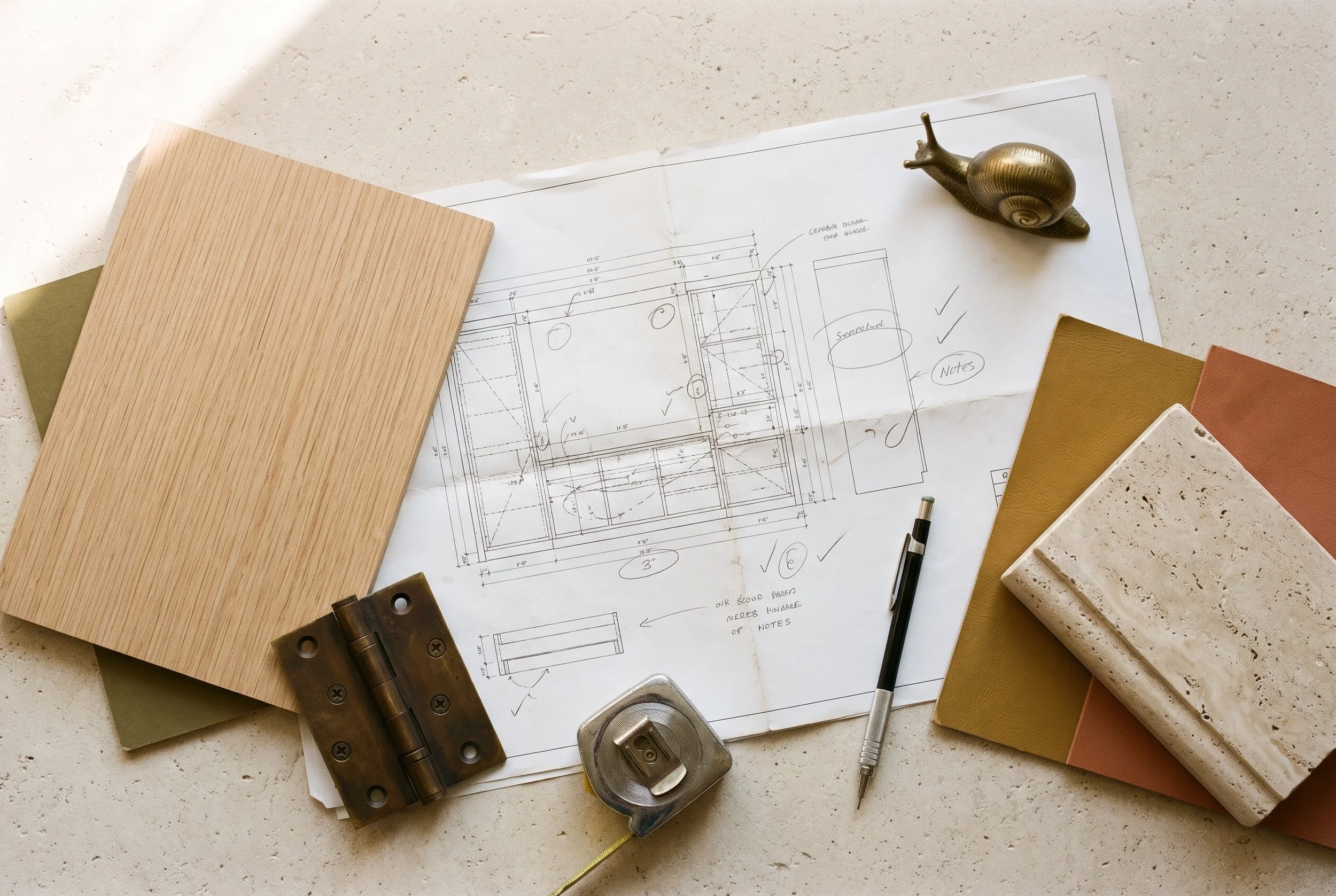
5. What allowances and contingencies are included
Your designer can help interpret what those allowances actually mean and whether they fit the design expectations. This prevents under-budgeting finishes or making rushed compromises when definitive pricing arrives.
6. How timelines are constructed and tracked
Design timelines influence construction timelines. Your designer helps sequence decisions such as cabinetry, electrical plans, and tile layouts so the builder can schedule accordingly. When design and build schedules are aligned, momentum is maintained without sacrificing thoughtfulness.
7. Who handles procurement and deliveries
For many clients, designers source and manage the purchase of custom or higher quality materials and furnishings. Clarify how procurement will be handled and where responsibilities overlap between construction and design. Tracking, inspection, and timing are all part of execution, not decoration.
8. What is covered after completion
Your designer remains involved through installation and final walk-throughs, ensuring details align with intent. Designers often assist in closing out punch lists or resolving finish adjustments so the final experience feels complete and intentional.
9. How specialty trades and custom elements are integrated
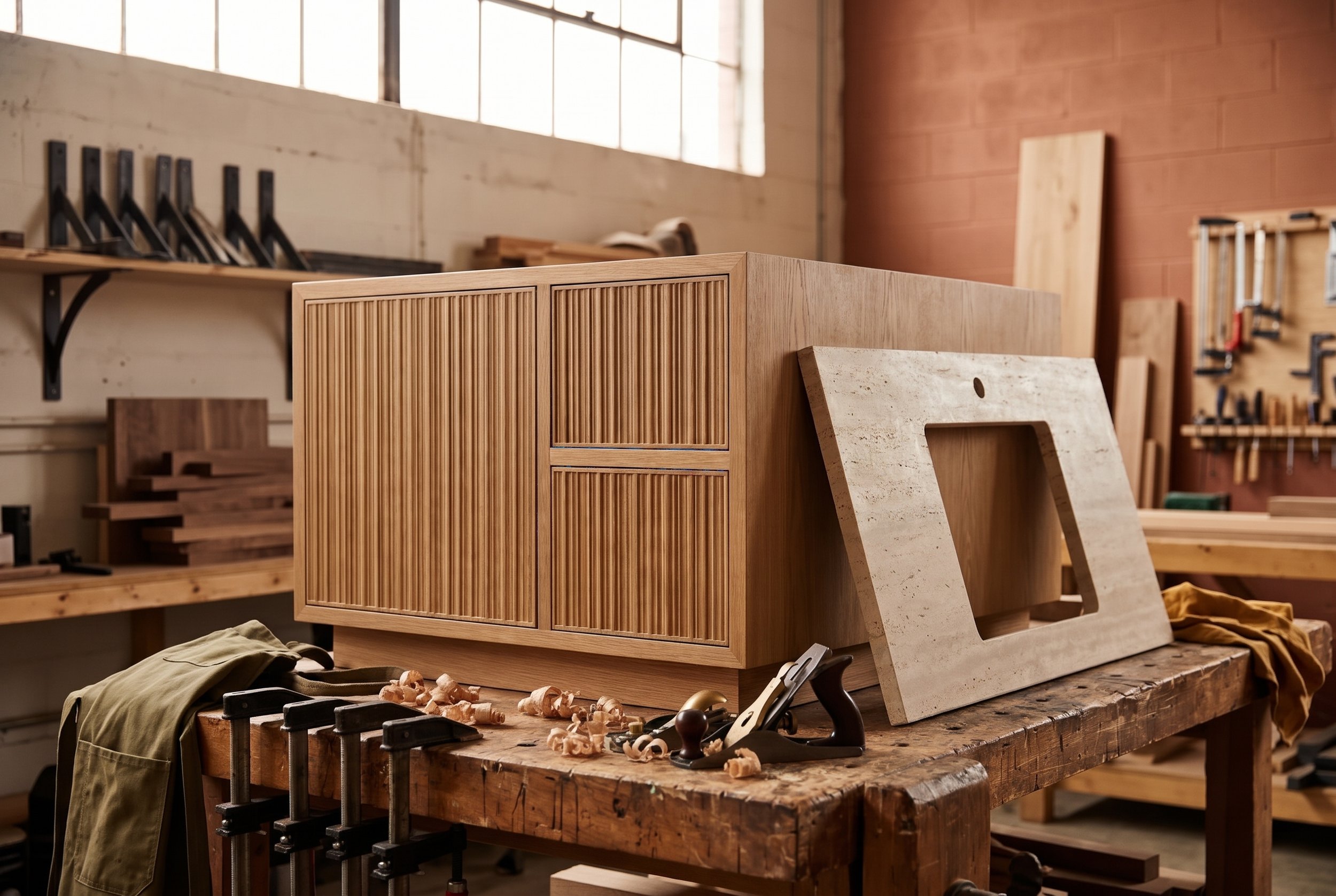
Designers typically lead conversations with artisans and fabricators. Their technical drawings and visual direction guide how custom millwork, metal work, or stone fabrication fit seamlessly within the larger build. Integration is where design leadership matters most.
10. How the builder and designer collaborate
Shared communication between builder and designer defines the success of the entire project. The designer interprets creative vision into actionable detail, and the builder translates that detail into structure. The most successful collaborations recognize that each relies on the other’s expertise.
Smooth remodels are not improvised. They are guided by structure, collaboration, and design leadership woven through every phase. Project management is not overhead. It is the work that turns intention into reality and keeps every decision connected to the home you envisioned.
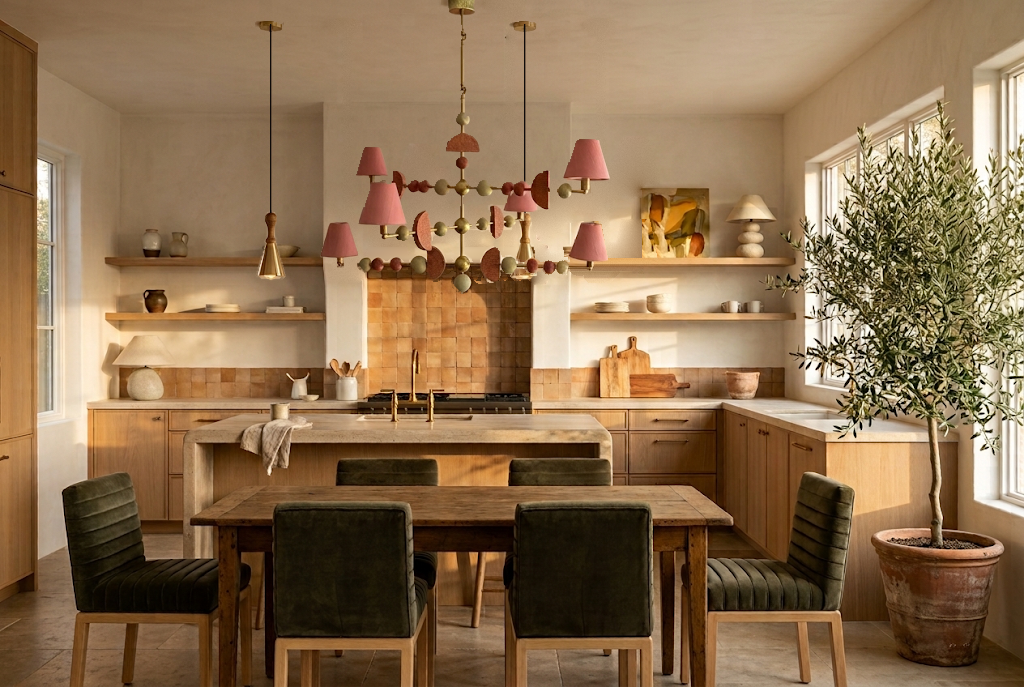
Planning a remodel or new build in Austin? We lead projects from the first drawing through final install, working alongside your builder so every decision stays connected to the home you have in mind.
No builder yet? Start with us. Once we understand your project scope and overall investment, we bring together the right builders and specialists for you to interview, so the team building your home is aligned with how it is designed. Start with a consultation.
The images in this post were created with AI to illustrate the ideas discussed. They are conceptual and do not show AAD projects, though some feature real pieces we have selected, such as lighting and furniture. When we link to products, we may earn a commission at no additional cost to you. To see more of our design work, visit our portfolio.